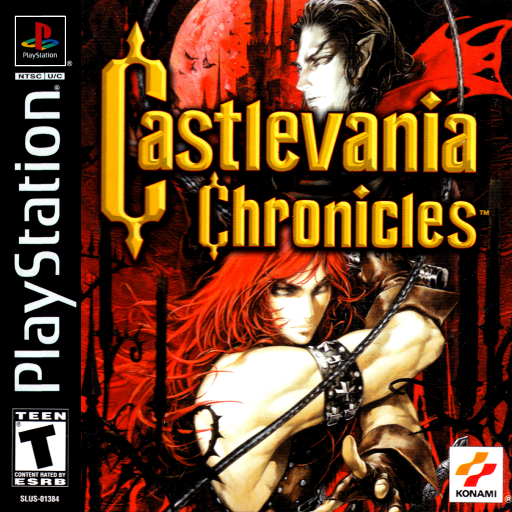
Konami's 2001 PS1 package and the Western debut of the Sharp X68000 Castlevania — Castlevania Chronicles includes the 1993 X68000 computer original plus a redrawn 'Arranged Mode' with enhanced graphics and Simon Belmont with updated sprites, providing the most faithfully arcade-accurate classic Castlevania port alongside the most demanding difficulty of any entry in the franchise.
Best Classic Platformer Games
The complete collection of 165 vintage platformer games — with full reviews, cheat codes, and trivia.
Platformer Games — Page 6
Sorted by ratingKonami's 1995 SNES adaptation of Rondo of Blood — Castlevania: Dracula X is a re-imagining rather than a direct port, with redesigned stages, Richter Belmont as protagonist, the whip-combat and sub-weapon system of the classic Castlevania formula, and the rescue of Annette across eight stages of 16-bit gothic horror.
Capcom's excellent NES platformer based on the Disney animated series — featuring excellent two-player co-op where players can pick up and throw crates, enemies, and even each other.
The NES Mega Man series' most polished late entry — Mega Man 5 introduces Beat, the bird weapon found by collecting hidden letters, with eight Robot Masters including Gravity Man, Crystal Man, and Charge Man.
Sega's classic ninja action game on Master System — Shinobi puts players in control of Joe Musashi, a ninja infiltrating enemy compounds to rescue kidnapped children and defeat the criminal organization Zeed. The SMS version captures the arcade's side-scrolling action with throwing stars, swords, and ninja magic.
The Game Boy launch title that proved Mario could thrive on handheld hardware. Super Mario Land takes Mario to four exotic kingdoms — Sarasaland — in a globe-trotting adventure to rescue Princess Daisy. Shorter and quirkier than console Mario games, it was an essential early showcase for the Game Boy.
Hudson Soft's bold translation of Bomberman into 3D on the Nintendo 64. Bomberman 64 reinvented the series with a 3D platformer adventure mode featuring five worlds and memorable boss fights, alongside the traditional multiplayer battle mode. The pump mechanic — inflating bombs to increase blast radius — added a new strategic layer that made both modes feel distinct from every other Bomberman entry.
Capcom's sequel to DuckTales — Scrooge McDuck's second pogo adventure introduces five new treasure-hunting stages including Niagara Falls, the Bermuda Triangle, and the Aegean Sea.
Sony's launch-window PS1 experiment that combined first-person platforming with vertical jumping mechanics. Jumping Flash!'s high-altitude vertical level design — players could jump two screens high, then descend slowly — created a unique spatial experience that no other game has replicated. A cult classic of early 3D design.
Data East's 1992 SNES port of the 1991 arcade prehistoric platformer — Joe & Mac follows two cavemen rescuing kidnapped cavewomen from rival dinosaur-riding cavemen, wielding bone clubs, stone wheels, and fire attacks across colorful prehistoric stages in two-player simultaneous co-op.
Konami's 1993 Game Boy spinoff of the Castlevania franchise — Kid Dracula (Akumajo Special: Boku Dracula-kun in Japan) puts players in control of a chibi young Dracula platforming through eight comedy-horror stages with growing magical powers, a parody aesthetic, and the humor that distinguished the NES Famicom original. A charming, high-quality alternative to straight Castlevania action.
The SNES follow-up with a hand-drawn crayon art style and five animal friends. Kirby's Dream Land 3's co-op mode and hidden objectives for each level — complete all to unlock the true final boss — made it a satisfying close to the Super Nintendo Kirby era.
The Donald Duck Genesis platformer that surprised players with its polish and non-linear world design. QuackShot: Starring Donald Duck sent players across six global locations in any order, using plungers and super balls to traverse different environments. One of the best Disney licensed games of the 16-bit era.
Konami's 1987 NES military infiltration game — Rush'n Attack (Green Beret in Japan) follows a US Special Forces soldier infiltrating Soviet bases with a combat knife, grabbing enemy weapons on the fly. Two-player alternating co-op, six stages of increasing difficulty, and the defining knife-combat mechanic of the NES action genre.
Widely considered the best original Game Gear Sonic experience. Triple Trouble's varied level designs, playable Knuckles echidna with unique routes, and polished animation made it the standout title in Sega's portable Sonic lineup. The search for six Chaos Emeralds drives an adventure that holds up decades later.
DMA Design's creative N64 puzzle-platformer where players control a microchip that possesses animal robots. Each animal — from bulldogs to polar bears to hamsters — has unique abilities needed to solve environmentally distinct puzzles. Space Station Silicon Valley's humor, inventiveness, and the chip-possession mechanic made it one of N64's most original games.
Namco's TurboGrafx-16 port of their 1988 horror arcade game — Rick Taylor wearing the Terror Mask battles through a mansion of monsters using melee attacks and found weapons. Splatterhouse on TurboGrafx-16 is the most faithful home conversion of the original arcade and one of the first mature-rated console games, known for its graphic horror content and Jason Voorhees-inspired mask.
Westone's action-RPG hybrid that evolved Wonder Boy's pure platforming into an adventure with shops, equipment upgrades, and dragon combat — Wonder Boy in Monster Land is the SMS sequel that transformed the franchise's formula, adding RPG elements to platform action and establishing the character-progression template the series would develop through Monster World IV.
The ActRaiser sequel that removed the city-building simulation to focus on pure action. The wing mechanics, divine magic system, and technically polished platforming make it an excellent action game in isolation — though the loss of the original's unique hybrid design disappointed players expecting ActRaiser's complete formula.
Hudson Soft's 1987 NES platformer — Adventure Island follows Master Higgins across tropical island worlds rescuing Princess Tina, with a stamina meter that depletes as you walk (requiring constant fruit collection to survive), skateboard power-ups, and eight worlds of side-scrolling platformer action. The franchise origin that spawned multiple NES and SNES sequels.
The TurboGrafx-16's mascot platformer stars Bonk, a prehistoric caveman who attacks enemies using his enormous, weaponized head — spinning, diving, and biting his way through colorful prehistoric stages with the imaginative level design and responsive controls needed to compete with the platform giants of the era. Bonk's Adventure was Hudson and NEC's answer to Mario — polished, charming, and well-constructed enough on its own terms to justify the TurboGrafx-16 purchase for platformer fans.
The game that introduced Mario and Donkey Kong — a vertical platformer requiring players to climb girders, jump barrels, and rescue Pauline from a giant ape.
Crystal Dynamics' 1998 PS1 3D platformer — Gex: Enter the Gecko follows the wisecracking gecko into the Media Dimension to defeat Rez across themed television worlds. Gecko wall-crawling and tail whip combat in a pop-culture-reference-heavy adventure that was one of PS1's notable 3D platformers alongside Spyro and Crash.
Sega's shape-shifting Genesis platformer — Casey collects masks to transform into eight characters (Jason, Berzerker, Maniaxe, Iron Knight, Eyeclops, Juggernaut, Red Stealth, Skycutter) with distinct abilities across 103 stages.