⬛
Super Mario Bros. 2
1988
.png)
NES
8.8
1988 · Nintendo
The controversial sequel that introduced Toad, Princess Peach, Wario's nemesis Wart, and the character-selection mechanic — a beloved oddity in the Mario series.
The complete collection of 336 vintage action games — with full reviews, cheat codes, and trivia.
The controversial sequel that introduced Toad, Princess Peach, Wario's nemesis Wart, and the character-selection mechanic — a beloved oddity in the Mario series.
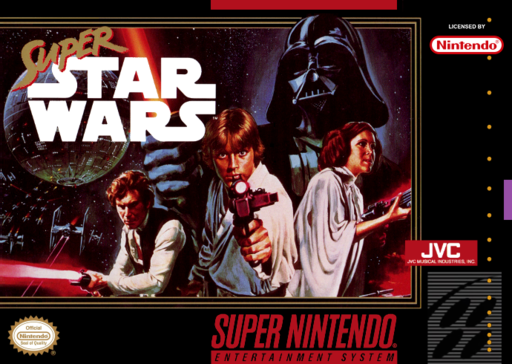
JVC's 1992 SNES action-platformer and one of the finest licensed games of the 16-bit era — Super Star Wars faithfully adapts Episode IV: A New Hope through side-scrolling action stages, Mode 7 vehicle sequences (landspeeder, X-Wing, Millennium Falcon), three playable characters (Luke, Han, Chewbacca), and notoriously difficult combat that tested player patience alongside its exceptional Star Wars atmosphere.
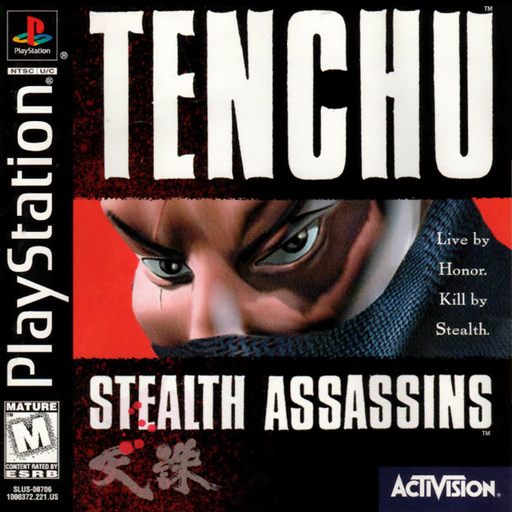
Acquire's 1998 PS1 stealth-action game and the originator of the PlayStation stealth genre — Tenchu: Stealth Assassins places players as feudal Japan ninja Rikimaru or Ayame completing assassination missions through populated environments using shadow movement, tool usage, and the grappling hook, establishing the stealth assassination mechanic that Metal Gear Solid's success that same year confirmed was a genre with mass appeal.
.png)
Namco's 1997 PS1 port of the 1995 arcade light-gun game — Time Crisis introduces the cover mechanic that defined the series: releasing the pedal (or foot button) causes Richard Miller to take cover behind obstacles while reloading, making survival a rhythm of attacking and ducking. Bundled with the GunCon light gun for full arcade accuracy.
.png)
The coolest game on the Genesis — two alien funk lords crash-landed on Earth and must collect their spaceship parts while avoiding Earthlings. A procedurally generated roguelite co-op adventure 30 years before the genre existed.
.png)
SingleTrac's vehicular combat masterpiece cranked everything up from the original: bigger arenas set across world landmarks, more vehicles, more weapons, and darkly comic character endings that became the series' signature. Twisted Metal 2 remains the definitive entry in the beloved PlayStation franchise.
.png)
Smilebit's remarkable Dreamcast reinvention of House of the Dead 2 — all firearms replaced with keyboards, all zombies requiring typed words and phrases to kill. The Typing of the Dead is simultaneously an excellent horror shooter and a legitimate typing tutor, famous for bizarre and random word prompts and two-player co-op keyboard action.
.png)
Based on the Area 88 manga and anime, UN Squadron is a masterclass in SNES launch-era shoot-em-up design — pilots choose from three characters with distinct aircraft, purchase weapon upgrades between missions, and tear through enemy-dense side-scrolling stages with exhilarating firepower. Capcom's adaptation benefits from the SNES's Mode 7 capabilities and a pounding soundtrack that establishes the game as one of the finest scrolling shooters of the 16-bit generation.
.png)
Wario's starring debut — a greedier, braver Mario that collects treasure instead of rescuing princesses. Wario Land established one of Nintendo's most creative and underappreciated franchises.
.png)
LucasArts' wildly creative top-down action game packed with horror movie homages across 55 stages. Zombies Ate My Neighbors tasked two players with rescuing neighbors from classic monsters — zombies, chainsaw maniacs, vampires, alien pods — with an arsenal ranging from water guns and silverware to bazookas. Two-player co-op elevated it to SNES cult classic status.
.png)
Sega's most original late-Genesis game — a beat-em-up set inside a comic book, where the protagonist fights panel-to-panel, enemies are drawn to life by the villain, and the player can tear panels to make paper airplanes as weapons.
.png)
The anarchic open-city cab game — scored by The Offspring and Bad Religion in a punk soundtrack that made quiet play impossible — channels pure arcade energy into a timer-driven frenzy of shortcuts, near-misses, and absurd customer physics that made it the Dreamcast's most-played arcade conversion. Hitmaker's design strips away every pretension and delivers exactly what it promises: maximum speed, maximum noise, and maximum chaos across a sun-drenched California city.
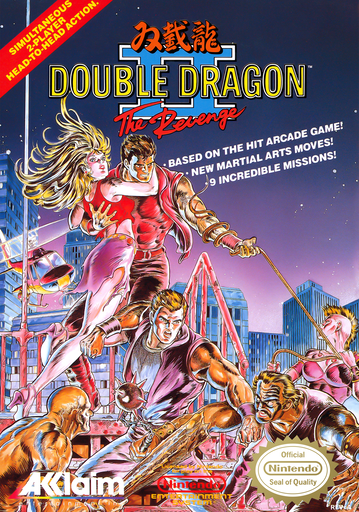
Technos Japan's 1990 NES beat-em-up and the widely beloved sequel to Double Dragon — Double Dragon II: The Revenge adds the spinning Hurricane Kick and Cyclone Spin Kick as core mechanics, improves two-player cooperation with a side-by-side rather than competitive structure, features Marian's death as the inciting narrative event, and delivers more complex level design than the original across nine missions.
.png)
Scrooge McDuck bounces his cane across five exotic stages in one of the finest licensed games ever made. DuckTales proves that licensed titles can be genuine classics.
.png)
Capcom's 1995 SNES beat-em-up completing the Final Fight SNES trilogy — Final Fight 3 returns Guy to the roster alongside Haggar, Lucia (new cop character), and Dean (new electric fighter), adds special move inputs, a selectable branching stage path, and the most mechanically complete Final Fight on SNES.
.png)
Capcom's 1993 SNES top-down action-adventure based on the Disney animated series — Goof Troop follows Goofy and Max rescuing Pete's family from pirates across five island stages. Two-player co-op, hook-based combat and puzzle solving, and a Capcom polish level that exceeded the Disney license. An early Shinji Mikami production.

Konami's 1988 Famicom sequel to the NES classic — Gradius II: Gofer no Yabou introduces four selectable power-up configurations (each offering a different weapon load-out for the Vic Viper), adds Moai head stone formations as bosses, and delivers the series' expanded stage variety with Konami's characteristic scrolling-shooter technical mastery — a Japan-exclusive NES release that became a prized collector's cart.
.png)
Konami's 1988 NES top-down military vehicle shooter — Jackal puts players in a jeep rescuing POWs from enemy installations across six missions. Two-player simultaneous co-op, upgradeable rocket launchers, and frantic top-down vehicle combat make it one of the NES's finest overhead shooters.

SNK's 1995 Neo Geo fighting game sequel and the refinement that made KOF the franchise — The King of Fighters '95 introduces fully customizable team selection (replacing '94's fixed pre-set teams), adds Iori Yagami as Kyo's rivalry foil, introduces Rugal Bernstein's powered-up form as Omega Rugal, and delivers the series' first memorable story arc beat with the Orochi storyline's early seeds.
.png)
The isometric action RPG that challenged Zelda on Genesis hardware — Nigel the treasure hunter explores 20+ dungeons in an isometric perspective with precise platforming, clever puzzles, and one of the Genesis's best stories.
.png)
Capcom's 1995 SNES Mega Man entry — Mega Man 7 is the first mainline Mega Man on Super Nintendo, with eight Dr. Wily robots, Rush Super Adapter combining abilities, a shop system for buying items with bolts, and the first direct confrontation scene between Mega Man and Bass. A substantial SNES upgrade of the NES franchise formula.
.png)
The SNES finale of the original Mega Man X trilogy, introducing the ability to play as Zero and the Ride Armor system. Mega Man X3 features the most complex upgrade paths in the SNES series, with four hidden Ride Armors and a fully playable Zero making the game's secrets among the richest of the era.
.png)
Irem's TurboGrafx-16 port of their 1988 arcade game — Ninja Spirit is a scrolling action game where a ghost ninja battles enemies with five weapon types and a shadow clone system that multiplies combat effectiveness. One of the TurboGrafx-16's most celebrated games and an example of the platform's exceptional arcade port capabilities.
.png)
Square's survival horror RPG blends cinematic storytelling with turn-based combat and real-time enemy positioning in a mitochondrial horror story set across New York City — from Carnegie Hall to the Natural History Museum. The Active Time Battle-derived combat system, where protagonist Aya Brea repositions mid-combat to optimize attacks and avoid enemy abilities, created a genuinely novel hybrid that neither pure RPG nor pure horror games had attempted before.