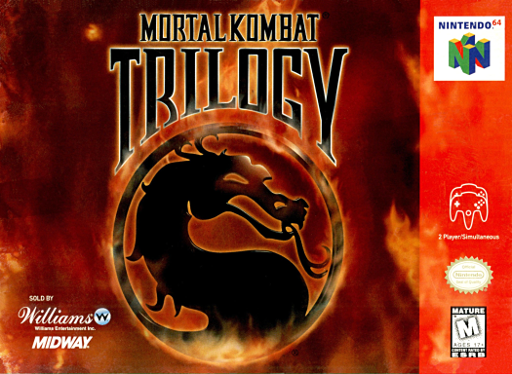
Midway's 1996 compilation and the largest MK roster of the 2D era — Mortal Kombat Trilogy collects every fighter from MK1, MK2, and MK3/Ultimate MK3 into one game (33 fighters including hidden characters), updates the roster with new moves and Kombat Kodes, and delivers the definitive home version of the classic MK on PlayStation and Nintendo 64.
Best Classic Action Games
The complete collection of 336 vintage action games — with full reviews, cheat codes, and trivia.
Action Games — Page 11
Sorted by ratingDavid Crane's jungle adventure classic challenged players to guide Pitfall Harry through 255 screens of deadly hazards collecting treasures within twenty minutes. One of the first true action-platformers and one of the most acclaimed Atari 2600 games ever made.
Capcom's arena fighter built around collecting three Power Stones to trigger dramatic mid-fight character transformations — shifting the entire power dynamic in seconds — across dynamic 3D arenas with destructible environments and item-based combat that were meaningfully ahead of their time. Power Stone's accessible controls masked genuine mechanical depth, and its design philosophy of environmental interaction as a combat resource would take the broader fighting game genre another decade to fully absorb.
Sega's late-era Genesis gem — Ristar grabs and headbutts enemies using his extendable arms across six colorful planets, delivering some of the best visuals and music the Genesis hardware ever produced in a sadly overlooked platformer.
Sonic's first fully realized 3D platformer and the Dreamcast's defining launch title brought six playable characters — each with distinct gameplay styles — a sprawling adventure hub world, and the Chao Garden life-simulation system into what became the most content-rich Sonic game ever released. Sonic Team's ambition occasionally outpaced the hardware's capabilities, but the sheer energy of the speed stages and the scope of the game's construction left an impression that defined what 3D Sonic could aspire to be.
The original Streets of Rage — Axel, Blaze, and Adam fight through a crime-ridden city in the Genesis beat-em-up that introduced Yuzo Koshiro's legendary score and established Sega's most beloved brawler franchise.
Capcom's NES reimagining of their 1989 arcade game — NES Strider is a separate design from the arcade original, featuring Hiryu navigating a globe-spanning cyberpunk adventure with a Plasma Cypher sword, animal companions, and side-scrolling action through the Soviet Union, Amazonia, Antarctica, and the Grand Master's space fortress.
The final Genesis Streets of Rage built on Streets of Rage 2's foundation with a darker story, faster gameplay, special moves tied to health management, and a more complex combat system. While divisive on release due to its difficulty compared to SoR2, Streets of Rage 3 has grown in reputation as a mechanically deep action game.
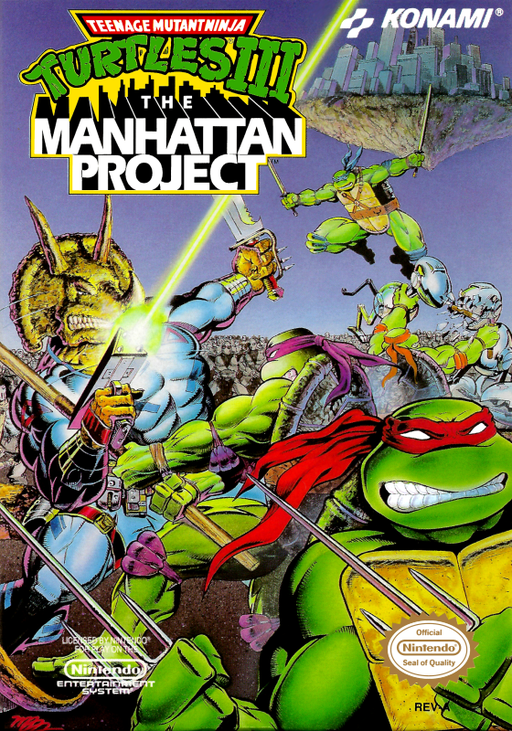
Konami's 1992 NES beat-em-up and the second side-scrolling TMNT NES game — Teenage Mutant Ninja Turtles III: The Manhattan Project improves on TMNT II: The Arcade Game with Super Jump moves unique to each turtle, a longer eight-stage campaign with Manhattan transported to Florida by Shredder's flying island, and a larger budget presentation that made it one of the NES's finest late-era beat-em-ups.
The N64 dinosaur hunter sequel with some of the most memorable weapons in FPS history. Turok 2's Cerebral Bore — a tracking rocket that drills into enemies' skulls — became legendary, and its expansive levels, diverse enemies, and cooperative multiplayer made it the definitive Turok experience despite brutal early-game difficulty.
Sega's technical showpiece for the late Genesis era — a CGI-rendered protagonist fighting robot hordes with fluid animation that demonstrated the Genesis could compete visually with the incoming 32-bit generation.
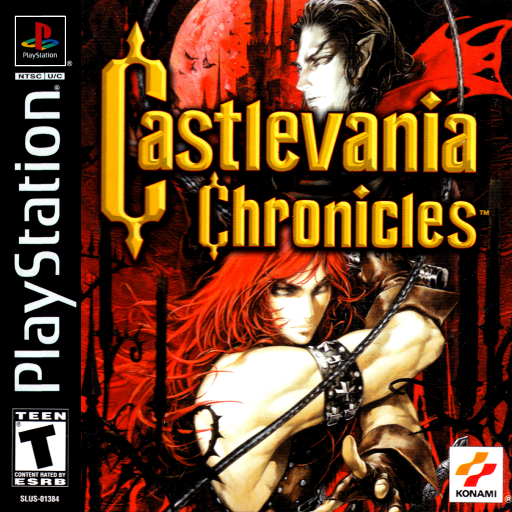
Konami's 2001 PS1 package and the Western debut of the Sharp X68000 Castlevania — Castlevania Chronicles includes the 1993 X68000 computer original plus a redrawn 'Arranged Mode' with enhanced graphics and Simon Belmont with updated sprites, providing the most faithfully arcade-accurate classic Castlevania port alongside the most demanding difficulty of any entry in the franchise.
Konami's 1995 SNES adaptation of Rondo of Blood — Castlevania: Dracula X is a re-imagining rather than a direct port, with redesigned stages, Richter Belmont as protagonist, the whip-combat and sub-weapon system of the classic Castlevania formula, and the rescue of Annette across eight stages of 16-bit gothic horror.
Capcom's excellent NES platformer based on the Disney animated series — featuring excellent two-player co-op where players can pick up and throw crates, enemies, and even each other.
Capcom's 2000 PS1 sequel — Dino Crisis 2 abandons the survival horror approach of the first game for full action gameplay with point-based extinction points, two playable characters (Dylan and Regina), and a faster, more frantic dinosaur combat that divides fans of the original but delivers its own high-intensity experience.
Capcom's 1993 SNES-exclusive Final Fight sequel — Final Fight 2 expands the Metro City brawling to an international stage with three new playable characters (Maki, Carlos, and Haggar returning), two-player simultaneous co-op that the original SNES Final Fight lacked, and six countries across ten stages. A direct correction of the original's co-op omission.
Capcom's defining beat-em-up, ported from the 1989 arcade hit to SNES. Mayor Mike Haggar, Cody Travers, and Guy fight their way through Metro City's six districts to rescue Haggar's kidnapped daughter from the Mad Gear gang. With three distinct fighter styles, iconic enemies like Andore and Poison, and nonstop brawling action, Final Fight established the beat-em-up template that defined the early 1990s.
SNK's 1994 Neo Geo fighting game and the origin of one of gaming's most enduring franchises — The King of Fighters '94 invented the three-on-three team battle format, assembled characters from Fatal Fury, Art of Fighting, and original creations into tournament brackets, and launched the annual KOF series that continued through KOF 2002 and beyond.
Ancient's Saturn-exclusive action RPG sequel to Beyond Oasis — Leon controls six elemental spirit companions who provide combat assistance, puzzle solutions, and traversal abilities as he uncovers the story in an Arabian Nights setting. The Legend of Oasis pushed Saturn's 2D sprite capabilities to showcase what the hardware could do for the genre.
The NES Mega Man series' most polished late entry — Mega Man 5 introduces Beat, the bird weapon found by collecting hidden letters, with eight Robot Masters including Gravity Man, Crystal Man, and Charge Man.
Sega's classic ninja action game on Master System — Shinobi puts players in control of Joe Musashi, a ninja infiltrating enemy compounds to rescue kidnapped children and defeat the criminal organization Zeed. The SMS version captures the arcade's side-scrolling action with throwing stars, swords, and ninja magic.
Tetsuya Mizuguchi's Dreamcast rhythm game about news reporter Ulala defeating alien invaders through dance battles — a visually spectacular '60s space-age aesthetic with a rhythm-game call-and-response mechanic and Michael Jackson making an actual cameo. Space Channel 5 is one of the defining examples of games as pure style.
Dave Theurer's 1981 Atari arcade game placed players on the rim of a geometric tube, shooting enemies climbing toward them from the depths. Tempest's vector graphics, tube-based 3D perspective, and relentless enemy escalation created a distinctive and influential shooter that defined Atari's technical ambition.