SNK's 1994 Neo Geo sequel and the definitive Art of Fighting experience — Art of Fighting 2 dramatically expands the roster to 12 characters (from 2+2 boss-only in AOF1), adds Robert Garcia, Yuri Sakazaki, and King as fully playable alongside refined special move systems, improves the Spirit Gauge balance, and develops the franchise's story connecting to Fatal Fury's timeline.
Games Like Street Fighter II': Special Champion Edition
12 games similar to Street Fighter II': Special Champion Edition — handpicked for fans of Action and Fighting games.
Top Games Similar to Street Fighter II': Special Champion Edition
| Feature | Platform | Year | Score | Genre |
|---|---|---|---|---|
| Art of Fighting 2 | NEO-GEO | 1994 | 8.6 | Action, Fighting |
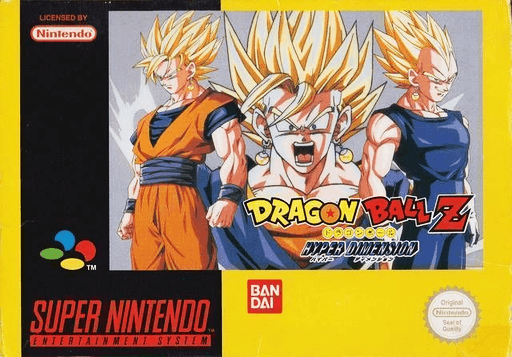
| Dragon Ball Z: Hyper Dimension | SNES | 1996 | 8.8 | Action, Fighting |
| The King of Fighters 2001 | NEO-GEO | 2001 | 8.3 | Action, Fighting |
| The King of Fighters '94 | NEO-GEO | 1994 | 8.4 | Action, Fighting |
| The King of Fighters 2000 | NEO-GEO | 2000 | 8.6 | Action, Fighting |
| The King of Fighters '95 | NEO-GEO | 1995 | 8.7 | Action, Fighting |
All 12 Games Like Street Fighter II': Special Champion Edition
Bandai's 1996 SNES one-on-one fighting game and the final DBZ game on Super Nintendo — Dragon Ball Z: Hyper Dimension features large character sprites pushing SNES hardware limits, aerial combat with characters that can fly across the stage, ki charging system for super attacks, Story Mode following the Cell and Buu sagas, and is considered the finest 2D Dragon Ball Z fighting game of its era.
SNK and Eolith's 2001 Neo Geo fighting game and the conclusion of the NESTS Chronicles — The King of Fighters 2001 features the largest roster in the classic series, concludes the K' and NESTS story arc, offers four Strikers per team (from one in KOF '99), and represents the transition year when SNK faced financial crisis, making it both a franchise milestone and a historical document of a company in difficulty.
SNK's 1994 Neo Geo fighting game and the origin of one of gaming's most enduring franchises — The King of Fighters '94 invented the three-on-three team battle format, assembled characters from Fatal Fury, Art of Fighting, and original creations into tournament brackets, and launched the annual KOF series that continued through KOF 2002 and beyond.
SNK's 2000 Neo Geo fighting game and the second chapter of the NESTS Chronicles — The King of Fighters 2000 expands the Striker System to two Strikers per team (from KOF '99's one), features the largest KOF roster to that point, introduces Ramon and Vanessa as new characters, continues the K' and NESTS story arc, and runs on the powerful NESTS team with expanded boss encounters.
SNK's 1995 Neo Geo fighting game sequel and the refinement that made KOF the franchise — The King of Fighters '95 introduces fully customizable team selection (replacing '94's fixed pre-set teams), adds Iori Yagami as Kyo's rivalry foil, introduces Rugal Bernstein's powered-up form as Omega Rugal, and delivers the series' first memorable story arc beat with the Orochi storyline's early seeds.
SNK's 1999 Neo Geo fighting game and the transition entry that introduced the Striker System — The King of Fighters '99 adds a fourth team member as an Assist Striker (a character called in for a single attack), introduces K' (Kay Dash) as the series' new protagonist replacing Kyo Kusanagi, and begins the NESTS Chronicles story arc that would run through KOF 2001.
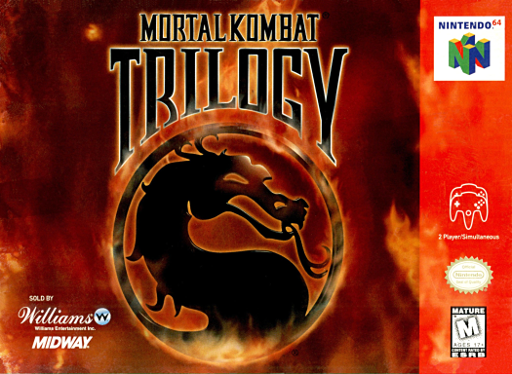
Midway's 1996 compilation and the largest MK roster of the 2D era — Mortal Kombat Trilogy collects every fighter from MK1, MK2, and MK3/Ultimate MK3 into one game (33 fighters including hidden characters), updates the roster with new moves and Kombat Kodes, and delivers the definitive home version of the classic MK on PlayStation and Nintendo 64.
Capcom's expansion of the Power Stone arena fighting concept to four-player chaos — Power Stone 2 adds larger multi-tier stages, stage-specific interactive hazards, a weapon crafting system, and four-player simultaneous combat that made it the definitive party fighting game on Dreamcast.
Capcom's arena fighter built around collecting three Power Stones to trigger dramatic mid-fight character transformations — shifting the entire power dynamic in seconds — across dynamic 3D arenas with destructible environments and item-based combat that were meaningfully ahead of their time. Power Stone's accessible controls masked genuine mechanical depth, and its design philosophy of environmental interaction as a combat resource would take the broader fighting game genre another decade to fully absorb.
SNK's 1996 Neo Geo fighting game and the finest entry in the Fatal Fury series before Garou — Real Bout Fatal Fury Special refines the multi-plane combat system, features 19 characters including mid-boss characters from Real Bout, removes the ring-out system of Real Bout for cleaner competitive play, and is widely considered the peak of Fatal Fury's classic run with balanced roster and excellent movement.
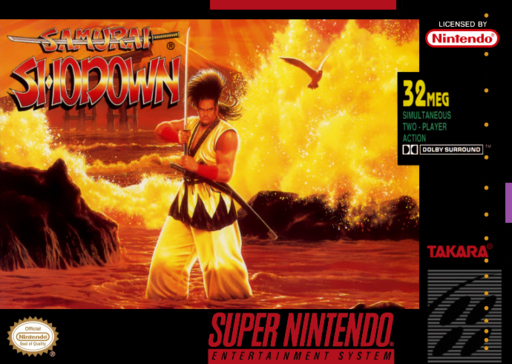
SNK's 1994 SNES port of the Neo Geo weapons-based fighting classic — Samurai Shodown brings the feudal Japan samurai fighter to SNES with 12 characters including Haohmaru, Nakoruru, and Earthquake, the weapon clash and disarm mechanics, rage mode that powers up attacks when health is low, and the game's characteristic one-hit-kill potential that distinguished it from contemporaries.